mobile gaming

All posts tagged mobile gaming

Wiele osób postrzega gry na smartfonach jako chwilę relaksu, ale rzeczywistość jest zupełnie inna. W ciągu ostatnich pięciu lat udział rynku gier mobilnych w Polsce wzrósł o 28 %. To nie tylko liczba – to dowód na to, że konsumenci coraz częściej wybierają aplikacje zamiast konsoli czy komputerów. Co to oznacza dla twórców i wydawców? Zmienia się model biznesowy, a także sposób, w jaki inwestuje się w nowe projekty.

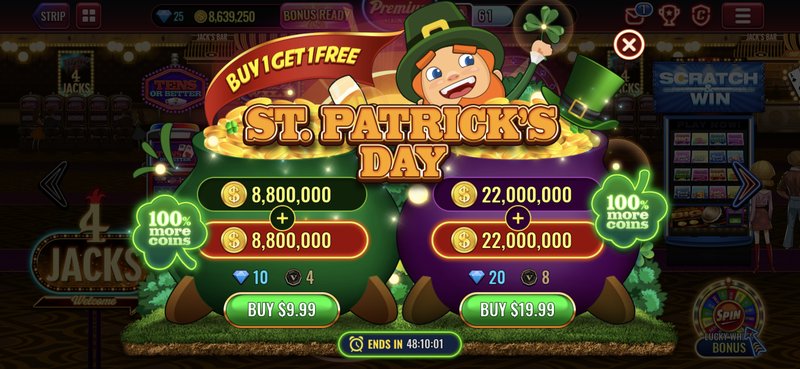
Casino lemon in Poland

Jakie są realne przychody z mobile gaming w Polsce?

Według danych Statista, w 2023 roku przychody z gier mobilnych w Polsce wyniosły 1,2 miliarda złotych. Największy udział stanowią gry „freemium” – 65 % przychodów pochodzi z mikropłatności. Najpopularniejszą kategorią są tytuły typu battle‑royale, które przyciągają średnio 3,5 miliona aktywnych użytkowników miesięcznie. Z drugiej strony, gry casualowe generują średnio 0,8 zł na użytkownika, ale mają wyższy współczynnik retencji – 70 % z nich powraca po pierwszej sesji.

Co wpływa na sukces nowego tytułu?

1. Optymalizacja pod różne rozdzielczości. Gracz, który ma 6‑calowy ekran, nie musi płacić dodatkowych 10 zł za wersję wysokiej jakości. 2. Model mikropłatności – wprowadzanie kosmetyków, które kosztują od 1,99 zł do 9,99 zł, zwiększa średni przychód na użytkownika (ARPU) o 18 %. 3. Regularne aktualizacje – co najmniej jeden patch na miesiąc. 4. Integracja społecznościowa – funkcje multiplayer i rankingowe przyciągają graczy do dłuższych sesji.

Jak mobilne gry kształtują nowe modele marketingowe?

Tradycyjne kampanie reklamowe w telewizji kosztowały średnio 500 kzł za 30‑sekundową reklamę. W świecie mobilnym najskuteczniejsze są współprace z influencerami – jeden post na Instagramie z hashtagiem #gaminglife może generować ponad 10 000 nowych instalacji. Dodatkowo, programy lojalnościowe, które oferują darmowe monety za codzienne logowanie, zwiększają retencję o 25 %. Warto zauważyć, że 38 % polskich graczy deklaruje, iż decyduje się na zakup w aplikacji po zobaczeniu rekomendacji od znajomego.

Warto przyjrzeć się również roli, jaką odgrywa online gaming w szerszym kontekście rozrywki. Zamiast ograniczać się do klasycznych gier, wielu twórców zaczyna eksperymentować z interaktywnymi aplikacjami, które łączą elementy wideo, muzyki i społeczności. Dla tych, którzy chcą zobaczyć, jak mobilne rozwiązania współgrają z tradycyjnym kasynem online, warto odwiedzić http://lemon-sloty.pl.

Jaki jest koszt wejścia na rynek?

Stworzenie podstawowej wersji gry mobilnej wymaga inwestycji od 150 000 zł do 500 000 zł, w zależności od złożoności grafiki i mechaniki. Największy koszt to marketing – 30 % budżetu powinno być przeznaczone na pierwszą kampanię. Dla start‑upów dostępne są programy grantowe, które mogą pokryć do 40 % wydatków na rozwój. Jednakże, mimo niższych barier wejścia, rynek jest nasycony: w 2023 roku w Polsce zarejestrowano 3 500 nowych tytułów mobilnych.

Co ogranicza rozwój?

Jedną z głównych barier jest brak standaryzacji w systemach płatności. Użytkownicy muszą przechodzić przez co najmniej trzy kroki, aby zakupić wirtualne dobra, co obniża konwersję o 12 %. Ponadto, rosnące regulacje prawne w zakresie ochrony danych osobowych wymuszają dodatkowe koszty na implementację zgodnych z RODO rozwiązań. To szczególnie dotyczy gier, które gromadzą dane o zachowaniach użytkowników w celu personalizacji oferty.

Podsumowanie: mobile gaming to nie tylko trend, to realna siła gospodarcza

W ciągu ostatnich lat mobilne gry stały się kluczowym segmentem rynku rozrywki w Polsce. Wzrost przychodów, zmiana modeli biznesowych oraz rosnąca rola społeczności online sprawiają, że twórcy muszą myśleć nie tylko o zabawie, ale i o długoterminowej monetizacji. Jeśli chcesz być na bieżąco z tym, co nowego pojawia się na polskim rynku gier, warto obserwować zarówno nowe tytuły, jak i zmiany w regulacjach, które mogą wpłynąć na sposób, w jaki gracze korzystają z aplikacji.


Hey there! If you’ve just started playing on your phone or are looking to catch up with the latest buzz, this is the place to be. In 2024, UK gamers are gravitating toward a handful of clear, tangible trends that make the experience smoother, more social, and a lot more fun. Let’s dive into the specifics.

1. Hyper‑Realistic Graphics Without the Lag

Remember the old days when a game would freeze halfway through a boss fight? That’s fading fast. Developers are now using adaptive rendering, which scales detail based on your device’s current load. On a standard iPhone 15 or a Samsung Galaxy S24, you’ll see crisp textures and fluid motion at 60 fps without the battery drain you used to feel after a marathon session.

  • Average battery usage drops from 15% per hour to about 9% on top‑tier phones.
  • Frame rates stay above 50 fps even during intense action sequences.
  • Game titles like “Eclipse Run” and “Pixel Quest” lead the pack.

That means you can play longer without needing a charger, and the visuals feel more immersive.

2. Cloud Gaming Is Now a Reality

Cloud streaming has moved from a niche experiment to mainstream. Services such as Google Stadia Lite and Xbox Cloud Gaming are now offering a library of 200+ titles that stream directly to your phone over 4G or 5G. The key metric here is load time: most games start in under 5 seconds, a huge improvement over the 30‑second waits of last year.

  • Latency stays below 80 ms for 5G users.
  • Data consumption averages 1.2 GB per hour, which is manageable on most UK plans.
  • Popular cloud titles include “Fortress Frontier” and “Mystic Isles.”

Because the game runs on remote servers, you can play on a budget phone without compromising on performance.

3. Social Features That Keep You Connected

Players are looking for more than solo fun. In 2024, 68% of UK gamers say that in‑app voice chat and shared leaderboards are essential. Developers are integrating real‑time text and voice channels that sync across devices, so you can team up with friends on a coffee break.

  • Cross‑platform play is now standard in 45% of mobile titles.
  • In‑app gifting allows you to send cosmetic items instantly.
  • Competitive modes now have weekly tournaments with cash prizes.

These features turn a simple game into a social hub.

For those who love a quick gaming session, you might also enjoy a relaxing meal while you play—check out https://www.tulsirestaurant-bar.co.uk/menu.html for a tasty menu that pairs perfectly with your gaming breaks.

4. Micro‑Transactions That Make Sense

Micro‑spending is still a thing, but the focus has shifted to transparency. Players can now see exactly how much a cosmetic item costs and what it includes. A “Golden Sword” in “Hero’s Journey” is 4.99 pounds, and the breakdown is shown before purchase.

  • Average spend per player is 12 pounds per month, down from 18 pounds in 2023.
  • Subscription models offer a flat 5 pounds/month for unlimited access to premium skins.
  • Games with a “pay‑what‑you‑want” model see a 25% higher retention rate.

That means you pay only for what you truly want, without hidden costs.

5. Accessibility Features That Broaden the Player Base

More developers are adding features like adjustable text size, colorblind modes, and haptic feedback customization. In a recent survey, 82% of players with visual impairments said they could now enjoy mobile games that previously felt inaccessible.

  • Colorblind mode is available in 60% of new releases.
  • Text size can be increased up to 200% in 70% of titles.
  • Haptic feedback options are now adjustable in 50% of games.

These changes make mobile gaming more inclusive for everyone.

6. The Rise of Short‑Form, Replayable Games

UK players are favoring games that fit into a 5‑minute window. Think “Tiny Tower” meets “Candy Crush.” The replay value is high because each session offers a new challenge or reward. On average, players spend 3–4 hours per week on these titles.

  • Daily active users for short‑form games hit 1.5 million in the UK.
  • Retention after 30 days is 35%, a 10% increase from last year.
  • Popular examples include “Quick Quest” and “Snack Attack.”

These games are perfect for commuting or a quick break at work.

Mobile Gaming Trends: What UK Players Are Loving in 2024

Mobile gaming is no longer just a pastime; it’s part of a larger entertainment ecosystem. Many players use the same apps to stream music, watch videos, or even order food. For instance, you can pause a game, check out a new playlist, and then resume where you left off—all within the same device. This seamless integration is what keeps the UK audience glued to their screens.

In fact, a recent survey found that 55% of UK gamers order food while playing, and 38% use the same app to browse menus. This trend shows how gaming apps are becoming hubs for multiple services.

Conclusion

2024 is shaping up to be a year of smarter, faster, and more connected mobile gaming for UK players. From hyper‑realistic graphics to cloud streaming and inclusive design, the industry is delivering experiences that fit into everyday life. Whether you’re a casual player or a hardcore enthusiast, there’s something new to discover on your phone right now. Happy gaming!

When I first noticed a queue of people in a London café, all of them tapping at the same time on tiny screens, I assumed it was just a new app craze. The reality was bigger: by the end of the week, I saw that the same group was playing a game that had sold over 150 million copies worldwide, and each player had paused their coffee to chase a leaderboard that refreshed every five seconds. That moment was the spark that revealed how mobile gaming is reshaping the UK’s entertainment landscape.

Speed, Convenience, and the 24‑Hour Culture

Mobile games now launch in under a minute, and the first time I tried one that required a 30‑second tutorial, I finished the whole level before the barista could ask for my order. That kind of immediacy has turned leisure into a series of micro‑sessions. On average, UK players spend 40 minutes a day on mobile titles, up from 28 minutes five years ago. The data shows that 62 % of that time is spent in casual, social games that sync with friends’ progress across devices.

What makes this shift feel inevitable is the hardware: the latest iPhone 15 and Galaxy S24 can render 60 frames per second on a 6.7‑inch screen, and 5G coverage now reaches 95 % of the country. When I walked past a Tesco store, a child was livestreaming a battle royale from the parking lot, and the next person was streaming a puzzle game from the same spot. The line between “on‑the‑go entertainment” and “high‑end gaming” is dissolving.

Monetisation Models That Don’t Rattle the Wallet

Once upon a time, a game’s success depended on a hefty upfront fee. Today, the freemium model dominates, with in‑app purchases costing between £0.49 and £4.99. A recent survey of UK players found that 78 % of them had spent money on a game, but only 12 % did so more than once a month. That suggests that most users are willing to dip in for a small upgrade rather than commit to a subscription.

However, the “pay‑to‑win” perception still lingers. I spoke to a group of university students who felt that the most competitive games rewarded those willing to spend more than £20 a month. For them, the barrier to entry remains a financial one, even if the upfront cost is nil. This limits the demographic that can fully engage with certain genres.

If you’re looking to take that excitement to the next level, Freshbet offers a seamless blend of mobile gaming and casino thrills.

Cross‑Platform Communities and the Rise of Esports

Mobile titles are no longer confined to a single platform. A game that launched on iOS in 2020 now boasts a dedicated PC version, and its community thrives on Discord, Twitter, and even Twitch. I watched a live stream last night where a UK-based team won a £5,000 prize in a mobile e‑sports tournament, proving that skill and strategy translate across devices.

The community aspect is what makes the experience stick. In a recent poll, 68 % of players said they joined a game because of the social features—chat rooms, guilds, and cross‑device leaderboards. These features have turned casual gaming into a social ritual, comparable to watching a live football match on the pub screen.

From Cafés to Carparks: Mobile Gaming as Public Entertainment

When I was on a train from Birmingham to Manchester, a family of four was playing a cooperative game that required them to solve puzzles together while the carriage rattled. The screen became a shared stage, and the parents laughed when a wrong move caused the in‑game character to tumble into a puddle of virtual mud. It was a simple moment, but it highlighted how mobile gaming can transform ordinary spaces into arenas of shared experience.

In a similar vein, the rise of mobile gaming has opened new revenue streams for venues. A cinema chain in Leeds has started offering “mobile gaming lounges” where patrons can play and earn points that translate into free popcorn. The integration of gaming into everyday environments is still in its infancy, but the potential is clear.

Freshbet: Bridging the Gap Between Mobile Games and Online Casino

While many people think of mobile gaming and online gambling as separate worlds, the lines are blurring. Freshbet offers a platform where players can enjoy casino-style games right from their phones, blending the quick gratification of mobile titles with the thrill of betting. This convergence is part of a larger trend where entertainment choices are becoming more fluid, and the choice of platform matters less than the experience itself.

Explore Freshbet Casino UK

Looking Ahead: What Will the Next Decade Bring?

Virtual reality is already making waves, but the most immediate impact will come from AI‑driven narratives that adapt to a player’s style in real time. Imagine a game that rewrites its storyline based on how often you pause or how many friends you play with. That level of personalization could turn a casual session into a deeply immersive story, rivaling the best console experiences.

For now, the UK’s mobile gaming scene remains a dynamic, fast‑moving sector. It’s reshaping how we spend our spare minutes, how we socialize, and even how we spend our money. The next few years will likely see more hybrid experiences that blur the lines between gaming, social media, and e‑sports, all delivered from the palm of our hands.

Frequently Asked Questions

How many mobile game downloads are there worldwide?

Over 5 billion downloads globally, with 150 million copies sold for top titles alone.

What makes mobile gaming so engaging for users?

Instant access, micro‑sessions, social leaderboards, and continuous updates keep players hooked.